
Electric Vehicle Charging: Types, Installation & Benefits
Electric vehicles (EVs) are transforming the global transportation industry. As fuel prices rise and environmental awareness increases, more individuals and businesses are switching to electric mobility. However, the success of electric vehicles depends largely on reliable and efficient EV charging solutions. Understanding the types of electric vehicle charging systems, installation requirements, and key benefits is essential for homeowners, commercial property owners, and small businesses.
This comprehensive guide explains everything you need to know about electric vehicle charging, including charging levels, equipment, installation process, costs, and long-term advantages.
What Is Electric Vehicle Charging?
Electric vehicle charging is the process of supplying electrical energy to recharge an EV’s battery. Unlike traditional vehicles that rely on petrol or diesel, EVs operate using rechargeable battery packs. These batteries must be connected to a power source through an EV charger, also known as Electric Vehicle Supply Equipment (EVSE).
Charging can take place at home, at workplaces, in commercial parking areas, or at public charging stations. The speed and efficiency of charging depend on the type of charger and the vehicle’s battery capacity.
Types of EV Charging
There are three main types of electric vehicle charging levels, each designed for different use cases.
Level 1 Charging
Level 1 charging uses a standard household outlet, typically 120V. It is the slowest charging method and is commonly used for home charging. This type of charging adds a limited number of miles per hour, making it suitable for overnight charging. While it requires no special installation in most cases, it may not be practical for drivers who travel long distances daily.
Level 2 Charging
Level 2 charging operates at 240V and provides significantly faster charging compared to Level 1. It is the most common solution for residential EV charger installation and commercial properties.
Level 2 chargers can fully charge most electric vehicles within a few hours. However, professional installation is required to set up a dedicated circuit and ensure electrical safety compliance.
DC Fast Charging (Level 3)
DC fast charging, also known as Level 3 charging, is the fastest EV charging option available. It is commonly installed in public charging stations, highways, and commercial hubs. DC fast chargers can charge an electric vehicle up to 80% in as little as 30 minutes, depending on the vehicle model. These systems are more expensive and require advanced electrical infrastructure.
EV Charging Installation Process
Installing an electric vehicle charging station requires careful planning and professional expertise.
The first step involves assessing the electrical capacity of the property. An electrician evaluates the main electrical panel to determine if upgrades are needed to support the charger. Next, the appropriate charger type is selected based on vehicle compatibility, charging speed requirements, and usage patterns. For residential EV charging installation, Level 2 chargers are typically recommended.
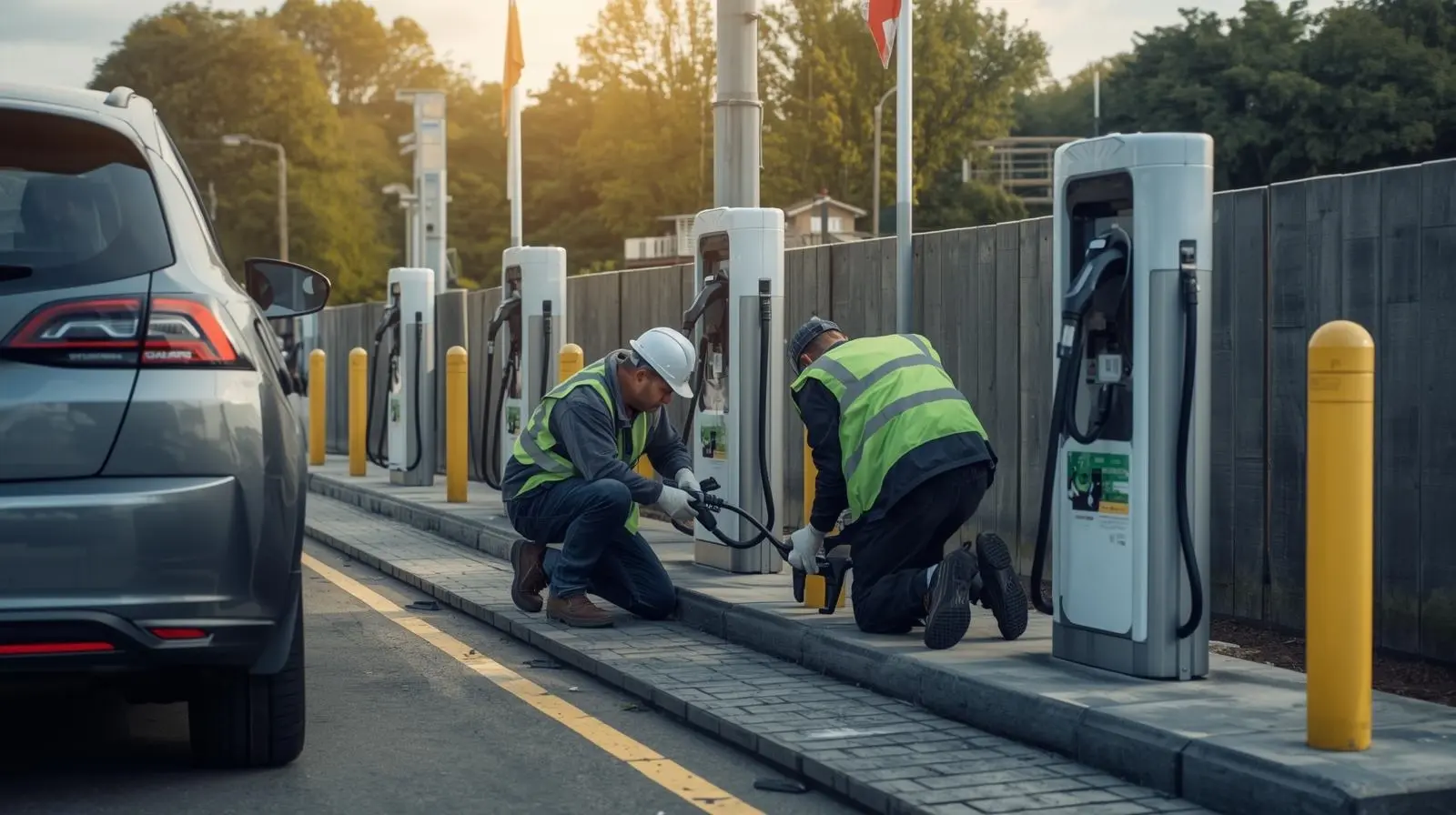
Once the charger is selected, installation includes mounting the unit, running electrical wiring, installing a dedicated circuit breaker, and ensuring grounding and safety compliance.
After installation, the system is tested to confirm proper operation and charging performance. In commercial installations, additional considerations such as network connectivity, billing systems, and user access controls may be included. Professional installation ensures compliance with local electrical codes and safety regulations.
Benefits of Electric Vehicle Charging
Electric vehicle charging systems provide numerous advantages for homeowners, businesses, and communities.
One of the most significant benefits is cost savings. Charging an electric vehicle is generally more affordable than fueling a petrol or diesel vehicle. Home charging allows drivers to take advantage of off-peak electricity rates, further reducing costs. Environmental sustainability is another key advantage. EVs produce zero tailpipe emissions, and when powered by renewable energy sources, they significantly reduce carbon footprints.
Convenience is a major factor driving EV adoption. Home EV chargers allow vehicle owners to charge overnight without visiting fuel stations. Commercial charging stations also attract customers who prefer eco-friendly businesses. Installing EV charging stations can increase property value. Residential properties with EV charging infrastructure are more appealing to future buyers. For commercial properties, EV chargers enhance brand image and demonstrate commitment to sustainability.
Government incentives and rebates often support EV charger installation. Many regions offer tax credits and financial assistance to encourage electric vehicle adoption and infrastructure development.
Residential EV Charging Solutions
Home EV charging is one of the most convenient options for electric vehicle owners. Installing a Level 2 charger at home ensures faster charging times and greater efficiency compared to standard outlets.
Smart EV chargers offer advanced features such as mobile app control, energy usage monitoring, scheduling, and load balancing. These features help homeowners manage electricity consumption effectively. Proper placement of the charging station in a garage or driveway ensures easy access and safe operation.
Commercial EV Charging Solutions
Businesses can benefit significantly from installing EV charging stations. Commercial EV chargers attract environmentally conscious customers and tenants.
Retail centers, office buildings, hotels, and restaurants increasingly offer charging facilities as an added service. Workplace charging also supports employees who drive electric vehicles. For businesses, networked EV charging systems enable payment processing, usage tracking, and remote monitoring. These features help generate additional revenue while promoting sustainability.
Maintenance of EV Charging Stations
EV charging systems generally require minimal maintenance. However, regular inspections ensure safety and long-term performance.
Routine checks include inspecting cables, connectors, and mounting hardware. Software updates may be necessary for smart charging systems to maintain functionality and security. Professional servicing is recommended periodically to ensure compliance with electrical standards and operational efficiency.
Future of Electric Vehicle Charging
The future of EV charging infrastructure looks promising. Rapid technological advancements are improving charging speeds and battery efficiency. Ultra-fast chargers are being developed to reduce charging times further. Wireless charging technology and vehicle-to-grid systems are also emerging innovations.
As governments worldwide promote clean energy and sustainable transportation, the expansion of EV charging networks will continue to accelerate.
Conclusion
Electric vehicle charging plays a crucial role in supporting the growing adoption of electric mobility. From Level 1 home charging to advanced DC fast charging stations, various solutions are available to meet residential and commercial needs. Proper EV charger installation ensures safety, efficiency, and compliance with electrical standards. The benefits include cost savings, environmental sustainability, convenience, increased property value, and enhanced business opportunities.
As electric vehicles become more common, investing in reliable EV charging infrastructure is not just a trend but a smart long-term decision for homeowners and businesses alike.


Add a comment