
Fire Alarm System Installation and Maintenance Guide
A fire alarm system is one of the most critical safety installations in any residential, commercial, or industrial building. Fires can occur unexpectedly and spread within minutes, causing severe damage to property and risking human lives. A properly installed and well-maintained fire alarm system ensures early detection, timely alerts, and safe evacuation.
This comprehensive guide explains everything you need to know about fire alarm system installation and maintenance, including system components, installation steps, inspection requirements, and best practices to ensure long-term reliability.
Importance of Fire Alarm System Installation
Installing a fire alarm system is not just a safety measure; in many regions, it is a legal requirement. Building codes and fire safety regulations mandate the installation of certified fire detection systems to protect occupants and property.
Early fire detection is the primary benefit of a fire alarm system. When smoke, heat, or flames are detected, the system immediately activates alarms, allowing occupants to evacuate safely. In commercial and industrial settings, early alerts can significantly reduce financial losses and operational downtime. A professionally installed fire alarm system also ensures compliance with insurance requirements, which may help lower insurance premiums.
Main Components of a Fire Alarm System
Before understanding the installation process, it is important to know the key components of a fire alarm system.
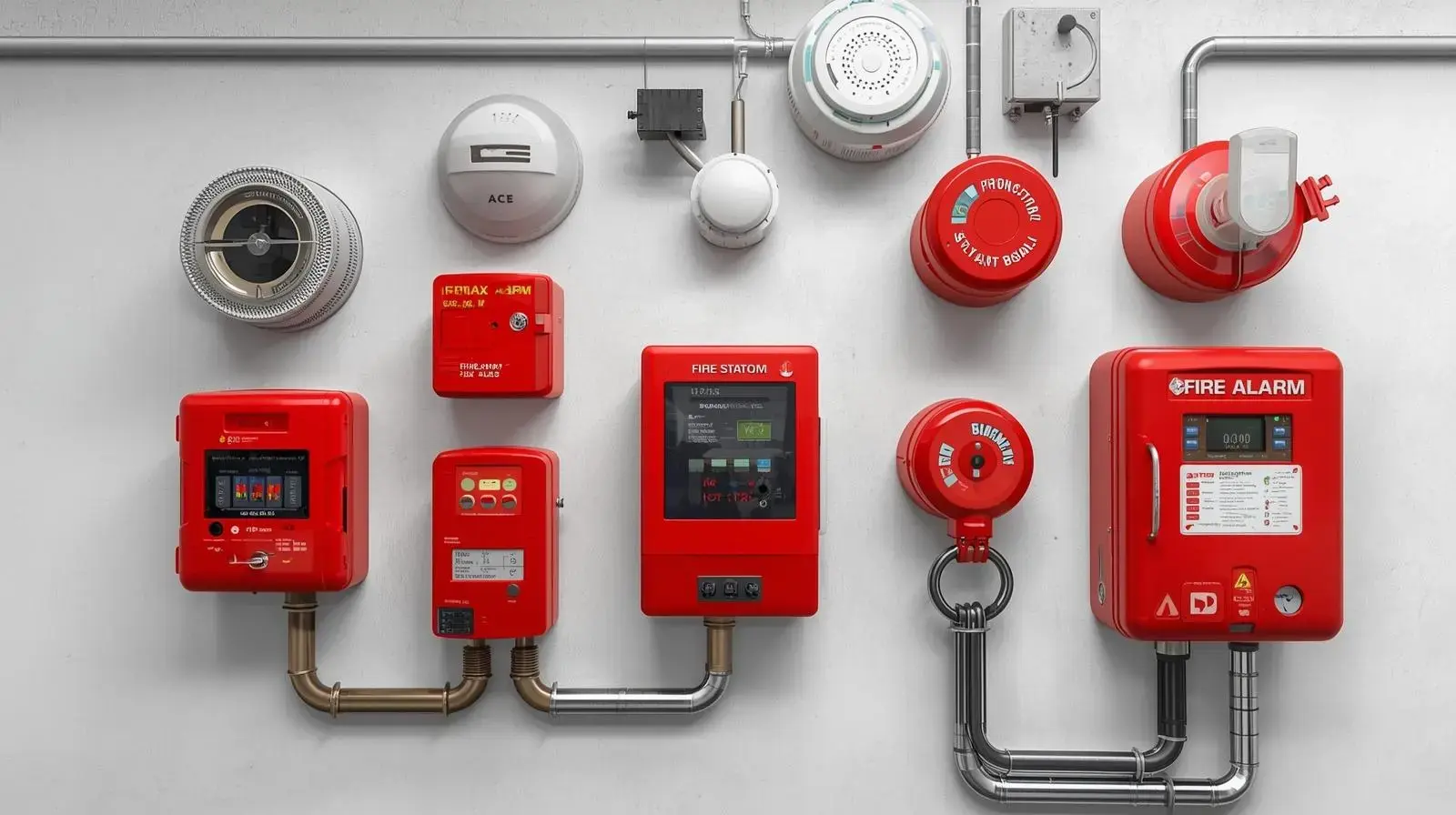
The fire alarm control panel acts as the central unit that receives signals from detectors and activates alarms. Smoke detectors sense smoke particles in the air and are commonly installed in hallways, offices, bedrooms, and common areas. Heat detectors respond to temperature changes and are ideal for kitchens, garages, and industrial environments where smoke detectors may trigger false alarms.
Manual call points allow occupants to activate the alarm manually during emergencies. Sounders and sirens provide audible alerts, while strobe lights offer visual warnings for individuals with hearing impairments. Backup batteries ensure the system continues to function during power outages. Each component must be carefully selected and positioned to provide maximum protection.
Fire Alarm System Installation Process
Proper installation is essential for system effectiveness. The process typically begins with a detailed site assessment. During this stage, fire risks are identified, building layout is analyzed, and compliance requirements are reviewed.
The next step is system design. Engineers determine the number and placement of detectors, control panels, call points, and alarm devices. The design must comply with local fire safety standards and building regulations. After design approval, professional technicians install wiring, detectors, panels, and alarm devices. In the case of wireless fire alarm systems, radio communication devices are configured instead of traditional wiring.
Once installation is complete, the system undergoes testing and commissioning. All detectors and alarms are tested to ensure they respond correctly. Integration with other safety systems, such as sprinklers and emergency lighting, is also verified. Finally, users are trained on how to operate the system, respond to alarms, and follow evacuation procedures.
Best Practices for Fire Alarm Installation
To ensure long-term performance, installation should always be handled by certified fire protection professionals. Poor installation can lead to false alarms, system failure, or non-compliance with regulations.
Detectors should be installed in recommended locations to ensure optimal coverage. For example, smoke detectors should not be placed too close to kitchens or bathrooms to avoid nuisance alarms. The control panel should be installed in an accessible yet secure location. Clear labeling and documentation are essential for easy identification during emergencies.
Proper documentation of system layout, wiring diagrams, and maintenance schedules should be maintained for future reference.
Fire Alarm System Maintenance Requirements
Installing a fire alarm system is only the first step. Regular maintenance is necessary to ensure reliability during emergencies.
Routine inspections should be conducted to check the condition of detectors, wiring, and alarm devices. Dust and debris can affect sensor performance, so cleaning is essential. Battery backups must be tested regularly to confirm they provide power during outages. Any damaged components should be replaced immediately.
Annual professional servicing is strongly recommended. Certified technicians perform detailed testing, calibration, and system updates to ensure compliance with safety standards. Neglecting maintenance can result in system malfunction, false alarms, or failure to detect a real fire.
Common Fire Alarm System Issues
Even well-installed systems can face issues if not properly maintained. Common problems include dead backup batteries, faulty wiring, dirty smoke detectors, and outdated control panels.
False alarms are another frequent concern. They may be caused by dust accumulation, steam, cooking smoke, or improper detector placement. Regular servicing helps reduce false alarms and ensures accurate detection. System upgrades may be required over time as technology evolves or regulations change.
Compliance and Safety Standards
Fire alarm system installation and maintenance must comply with local and international fire safety standards. Commercial buildings, hospitals, educational institutions, and industrial facilities often have stricter compliance requirements.
Regular inspections and proper documentation help demonstrate compliance during safety audits or insurance evaluations. Property owners are responsible for ensuring their fire alarm systems remain operational and up to date.
Benefits of Proper Installation and Maintenance
A properly installed and maintained fire alarm system provides reliable early detection, reduces property damage, protects lives, and ensures business continuity.
It enhances occupant confidence and demonstrates commitment to safety standards. For businesses, it protects assets, employees, and brand reputation. Long-term cost savings are also significant, as early fire detection prevents extensive structural damage and expensive repairs.
Choosing the Right Fire Alarm Service Provider
Selecting an experienced and certified fire alarm company is essential. Look for providers with strong industry experience, proper certifications, and positive client reviews.
A professional service provider will conduct a thorough risk assessment, design a customized system, ensure proper installation, and offer regular maintenance services. Ongoing support and emergency response services are also important factors to consider.
Conclusion
A fire alarm system is a vital safety investment for any building. Proper installation ensures early fire detection, safe evacuation, and regulatory compliance. However, installation alone is not enough. Regular inspection, testing, and maintenance are essential to keep the system fully operational.
By following best practices in fire alarm system installation and maintenance, property owners can significantly reduce fire risks and ensure a safe environment for occupants. Investing in professional services and ongoing maintenance guarantees long-term protection and peace of mind.


Add a comment