
The Advantages and Disadvantages of Solar Energy
Solar energy has become one of the most popular renewable energy sources in the world. With rising electricity costs, environmental concerns, and the global shift toward clean power, more homeowners and businesses are exploring solar energy as a long-term solution. The sun provides an unlimited supply of energy, making solar power both sustainable and environmentally friendly.
However, before investing in a solar energy system, it is important to understand the advantages and disadvantages of solar energy. While solar panels can reduce electricity bills and carbon emissions, they also come with certain limitations. This detailed guide explains how solar power works, its benefits, its drawbacks, and whether it is the right choice for you.
What Is Solar Energy?
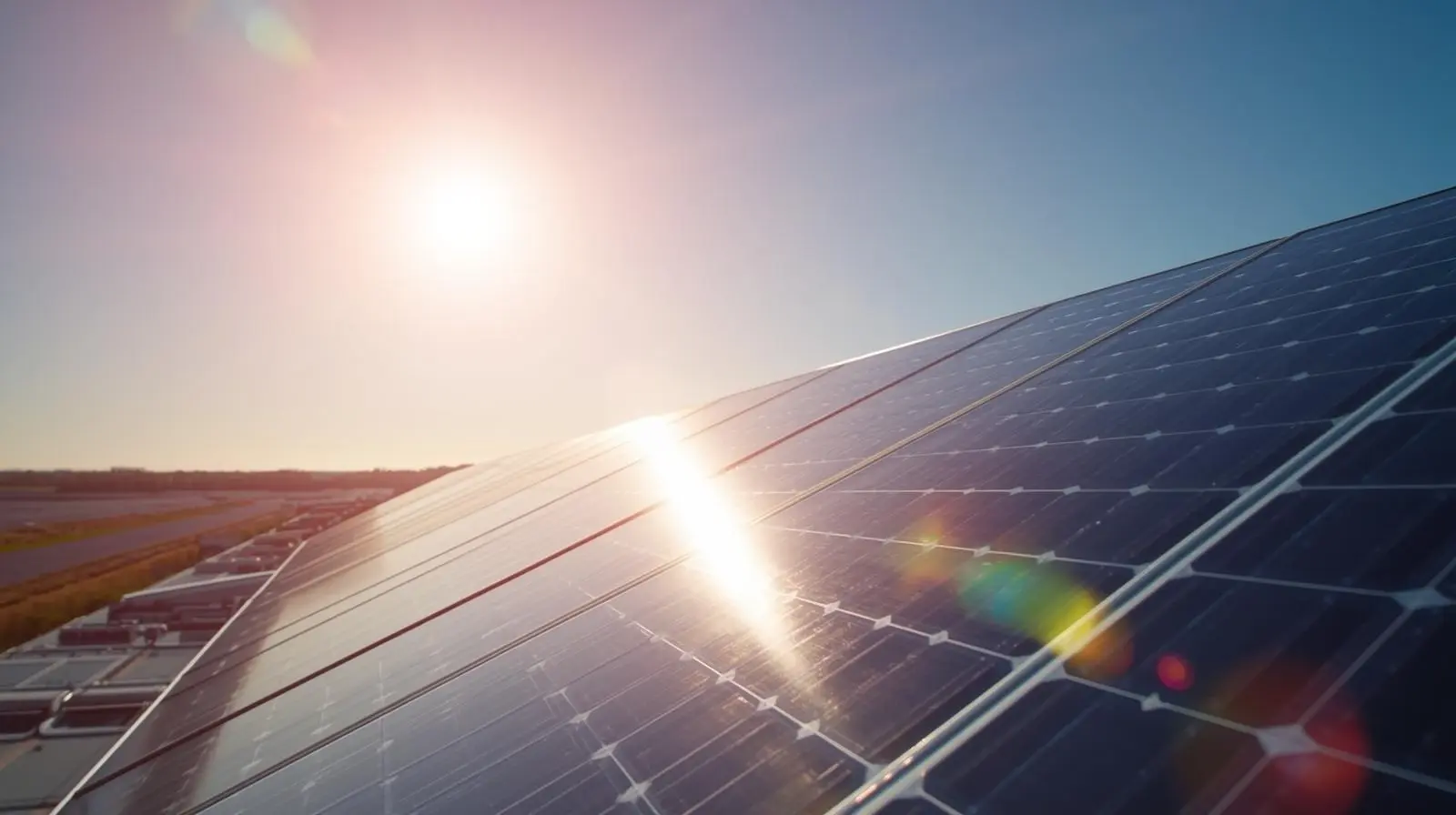
Solar energy is the power obtained from the sun’s radiation. Solar panels, also known as photovoltaic (PV) panels, capture sunlight and convert it into electricity. When sunlight hits the solar cells, they generate direct current (DC) electricity. An inverter then converts this DC electricity into alternating current (AC), which is used to power household appliances and commercial equipment.
Because the sun is a natural and renewable source, solar energy will not run out. Unlike fossil fuels such as coal and oil, solar power does not release harmful greenhouse gases during operation.
How Solar Power Systems Work
A standard solar power system includes solar panels, an inverter, mounting structures, wiring, and sometimes a battery storage system. During the day, solar panels produce electricity that can be used immediately in the home or business. If the system generates more electricity than needed, the excess energy can either be stored in batteries or sent back to the utility grid, depending on local net metering policies.
Solar technology has improved significantly over the years, making systems more efficient and affordable.
Advantages of Solar Energy
One of the biggest advantages of solar energy is that it is renewable and sustainable. The sun provides energy daily, and this natural resource will continue for billions of years. This makes solar power a reliable long-term solution for global energy needs. Another major benefit is the reduction of carbon emissions. Solar energy is clean and does not produce harmful pollutants during operation. By switching to solar power, households and businesses can significantly lower their carbon footprint and contribute to environmental protection.
Lower electricity bills are another strong advantage. When you generate your own electricity, you depend less on the utility company. Over time, the savings on monthly electricity costs can offset the initial installation investment. In some areas, excess energy can be sold back to the grid, creating additional financial benefits. Solar panels also require minimal maintenance. Since they have no moving parts, there is less risk of mechanical failure. Regular cleaning and occasional inspections are usually enough to maintain performance. Most solar panels come with warranties lasting 20 to 25 years, making them a durable and reliable investment.
Installing solar panels can increase property value. Homes equipped with solar energy systems are often more attractive to buyers because of lower operating costs and energy efficiency. Studies show that solar-powered homes may sell faster and at higher prices compared to non-solar properties.
Energy independence is another important benefit. Solar power reduces reliance on traditional electricity providers. When paired with battery storage systems, solar energy can provide backup power during outages, ensuring uninterrupted electricity supply. Solar energy works in various climates. While performance is highest in direct sunlight, panels can still generate electricity on cloudy days. Cold weather does not negatively affect productivity and can even improve efficiency.
The cost of solar technology has decreased significantly in recent years. Government incentives, tax credits, rebates, and flexible financing options have made solar energy more accessible to homeowners and businesses. As demand increases, prices are expected to continue falling.
Disadvantages of Solar Energy
Despite its many advantages, solar energy also has some disadvantages that should be considered carefully.
The high initial installation cost is the most common concern. Purchasing and installing solar panels, inverters, and batteries can require a significant upfront investment. Although financing and leasing options are available, it may take several years for the system to pay for itself. Solar energy production depends on sunlight. Panels do not generate electricity at night, and performance may decrease during cloudy or rainy weather. To ensure continuous power supply, homeowners may need battery storage systems or grid connection.
Battery storage can be expensive. While batteries allow excess energy to be stored for later use, they add to the overall system cost. In addition, batteries have a limited lifespan and may need replacement before the solar panels do. Roof suitability can also be a challenge. Not all roofs are ideal for solar panel installation. The roof should have adequate space, proper orientation toward the sun, minimal shading, and strong structural support. Homes with limited roof space or heavy shading may not benefit fully from solar systems.
The manufacturing process of solar panels involves mining raw materials such as silicon and lithium. Although solar energy is clean during operation, production and disposal processes can have environmental impacts if not properly managed. However, over their lifetime, solar panels typically offset far more emissions than are created during manufacturing.
Large solar installations require significant space. While this is not always a problem for residential systems, large commercial solar farms need substantial land areas, which may raise land-use concerns in certain regions.
Is Solar Energy Worth It?
Whether solar energy is worth the investment depends on several factors, including your location, electricity rates, available sunlight, government incentives, and long-term plans. In areas with high electricity costs and strong solar incentives, solar systems often provide excellent returns on investment.
Homeowners who plan to stay in their property for many years typically benefit the most from installing solar panels. Businesses with high energy consumption can also achieve significant cost savings over time.
The Future of Solar Energy
The future of solar energy looks promising. As technology continues to advance, solar panels are becoming more efficient and affordable. Improvements in battery storage systems are increasing reliability and performance.
Governments worldwide are promoting renewable energy adoption to reduce greenhouse gas emissions and combat climate change. Solar energy is expected to play a major role in the global transition toward sustainable power solutions.
Conclusion
The advantages and disadvantages of solar energy must be carefully evaluated before making a decision. Solar power offers numerous benefits, including reduced electricity bills, lower carbon emissions, energy independence, increased property value, and long-term savings. At the same time, high upfront costs, sunlight dependency, storage expenses, and roof suitability are important factors to consider.
Overall, solar energy remains one of the most effective and sustainable renewable energy solutions available today. As costs continue to decline and technology improves, solar power will become an even more attractive option for homeowners and businesses seeking clean, reliable, and affordable energy.


Add a comment